
Tendinitis Treatment in Phoenix, AZ

If you've been told "just rest it" for months — or you've had cortisone shots that worked briefly but didn't last — you're not alone. Chronic tendinitis is one of the most frustrating conditions to deal with because it keeps coming back. The reason is usually that the underlying tendon damage hasn't been addressed, only the inflammation. That's exactly what we focus on.
What is Tendinitis?
Tendinitis can affect various tendons throughout the body, most commonly in the shoulders, elbows, wrists, knees, and ankles. Specific types include:
Tennis Elbow (Lateral Epicondylitis): Pain on the outside of the elbow.
Golfer's Elbow (Medial Epicondylitis): Pain on the inside of the elbow.
Achilles Tendinitis: Pain in the back of the heel.
Rotator Cuff Tendinitis: Shoulder pain and limited movement.
Patellar Tendinitis (Jumper’s Knee): Pain below the kneecap.
Early diagnosis and treatment are crucial to prevent tendinitis from becoming a chronic issue.
Causes of Tendinitis
Tendinitis typically arises from repetitive motions or overuse, including:
Repetitive sports or work activities.
Poor posture or incorrect exercise techniques.
Sudden increases in exercise intensity.
Age-related tendon flexibility loss.
Underlying medical conditions like diabetes or arthritis.
Inadequate warm-up or stretching.
Improper footwear or equipment.
Recognizing Tendinitis Symptoms
Common symptoms include:
Pain around the affected tendon, especially with movement.
Tenderness to the touch.
Swelling or redness.
Limited range of motion or stiffness.
Clicking or cracking sensations during movement.

Tennis elbow- lateral epicondylitis

Golfer’s elbow- medial epicondylitis
Diagnosing Tendinitis at Sobel Spine and Sports
Our diagnostic process includes:
Comprehensive medical history and symptom review.
Thorough physical examination.
Advanced imaging, such as ultrasound or MRI, to visualize tendon damage.
Effective Tendinitis Treatment Options
Our treatment plans focus on pain reduction, inflammation control, and restoring tendon strength and flexibility.
Conservative (Non-Surgical) Treatments:
Rest: Avoiding activities that exacerbate pain.
Ice Therapy: Applying ice to reduce swelling and pain.
Pain Management: Over-the-counter or prescription anti-inflammatory medications.
Physical Therapy: Targeted exercises for strengthening and stretching.
Bracing and Support: Using braces or supportive footwear.
Lifestyle Adjustments: Modifying activities to prevent further injury.
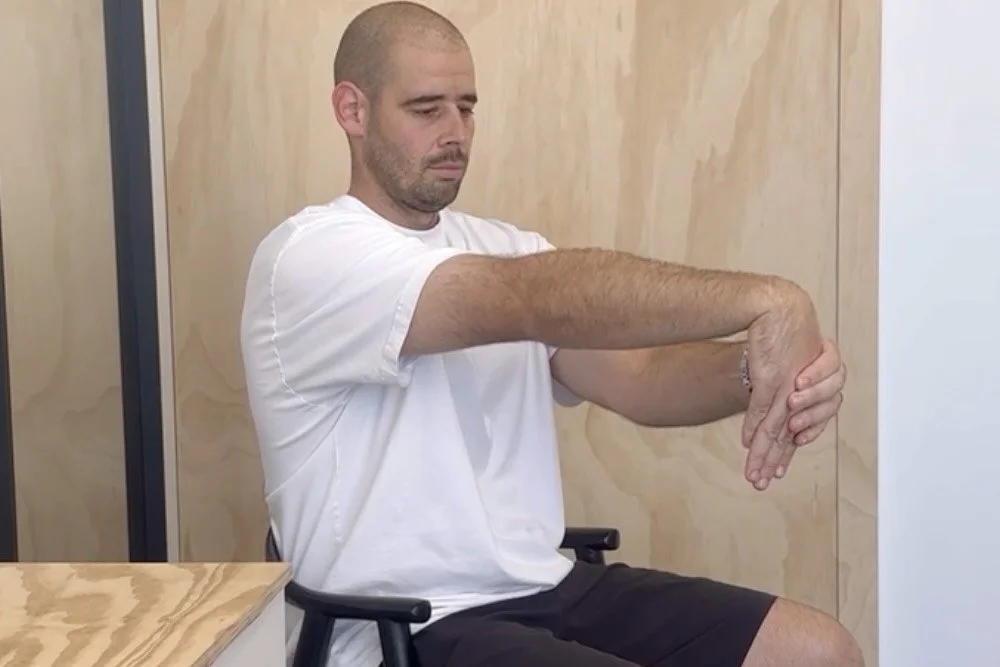
Exercises for Tendinitis
Examples of some of the exercises prescribed for lateral and medial epicondylitis. If you are suffering from elbow pain see your healthcare provider for a thorough evaluation

Advanced Treatments: PRP and Percutaneous Tenotomy
PRP Injections
PRP uses your own blood to promote healing. We draw a small sample, spin it in a centrifuge, and inject the concentrated platelets directly into the injured tendon using ultrasound guidance. Platelets contain growth factors that repair tissue and reduce inflammation. PRP is less invasive than surgery and has a faster recovery. Most patients see improvement in pain and function, especially with tennis elbow, Achilles tendon problems, and rotator cuff injuries. Side effects are mild — usually temporary soreness at the injection site.
Percutaneous Tenotomy
Percutaneous tenotomy is a minimally invasive option for stubborn tendinitis. A small needle is inserted through the skin to break down damaged tendon tissue. Ultrasound guides the procedure for precision. It removes painful scar tissue and calcium deposits, which relieves pain and restores movement. Recovery is fast — most patients return to normal activities within 6-12 weeks. It works well for plantar fasciitis, tennis elbow, golfer's elbow, and Achilles tendon problems.
Dr. Jerry Sobel at Sobel Spine and Sports in Phoenix has extensive experience performing percutaneous tenotomy procedures.
Recovery and Prevention
Recovery typically involves rapid pain reduction, minimal discomfort, structured physical therapy, and a gradual return to activities. Preventing tendinitis involves:
Gradual exercise progression.
Proper warm-up and cool-down routines.
Regular flexibility and strengthening exercises.
Maintaining correct posture.
Adequate rest during repetitive tasks.
Using appropriate equipment.
Home Care and Lifestyle Tips
Take frequent breaks during repetitive tasks.
Optimize ergonomics at work or during sports.
Stay hydrated and maintain a healthy diet.
Wear supportive footwear and protective gear.
Frequently Asked Questions
Why won't my tendinitis go away even after rest and cortisone shots?
Chronic tendinitis that doesn't respond to rest and cortisone is extremely common — and frustrating. The reason is that chronic tendon problems often involve actual structural changes to the tendon tissue (a condition called tendinosis), not just inflammation. Cortisone addresses inflammation well but does not repair damaged tendon tissue. That's where newer treatments like PRP therapy and the TendoNova procedure make a real difference — they target the damaged tissue directly and stimulate genuine healing.
What is the TendoNova procedure and is it available in Phoenix?
TendoNova is a micro-invasive percutaneous tenotomy procedure — meaning it breaks down damaged tendon tissue through a tiny needle entry point, with no incisions or general anesthesia required. Using ultrasound imaging for precision, a specialized motor-driven probe mechanically debrides and fragments the damaged tissue, triggering the body's own healing cascade. Growth factors are attracted to the treated area, promoting the formation of new, healthy tendon tissue. The procedure is performed in-office under local anesthetic in under 30 minutes. Dr. Sobel offers TendoNova at our Phoenix office, and in clinical studies 87% of patients reported positive results — many in as little as 4 weeks.
How is tennis elbow treated without surgery?
Tennis elbow (lateral epicondylitis) typically responds well to a combination of activity modification, physical therapy, and targeted injections. For stubborn cases, PRP therapy or the TendoNova procedure can provide lasting relief. The key is addressing the underlying tendon damage, not just managing the inflammation. Most patients with tennis elbow do not need surgery.
How long does it take to recover from tendinitis treatment?
Recovery time varies by treatment and condition severity. Cortisone injections can provide relief within a few days but may need to be repeated. PRP therapy typically shows gradual improvement over 4 to 8 weeks as the tissue heals. After the TendoNova procedure, some patients can experience rapid pain reduction within days and others withing a few weeks, with a structured physical therapy plan guiding a full return to activity over several weeks.
Why Choose Sobel Spine and Sports?
We provide personalized care, advanced treatments like TendoNova, and expert guidance for lasting results. Our clinic offers:
Accurate diagnostics.
Customized treatment and rehabilitation.
Injury prevention strategies.
Advanced recovery options.
Dedicated, experienced medical professionals.
When to Seek Medical Attention
Consult a doctor if:
Pain interferes with daily activities.
Symptoms persist despite home care.
You experience swelling, redness, or ongoing discomfort.
Schedule Your Appointment
If you're experiencing tendinitis symptoms or are interested in advanced treatments like PRP or percutaneous tenotomy, contact Sobel Spine and Sports today. Let us help you return to your active life.
👉 Call today or schedule an appointment online to get started.
📍 Located in Phoenix, AZ
📞 602-385-4160
🌐 Contact us today for an appointment